Hearing loss often develops gradually, showing up in small, easy-to-miss moments. It can be subtle enough that you adjust without realizing it. When it becomes more noticeable, those changes have often been building for months or even years.
In fact, many people wait several years between first noticing a shift in their hearing and taking the next step, which can mean a long stretch of working harder to stay engaged in conversations.

That’s where a mid-year screening can make a difference. While annual visits are important, hearing can change within that time, and those shifts aren’t always obvious right away.

A check-in between appointments gives us a better sense of how your hearing is doing now, not just where it was before. Identifying changes earlier allows for smaller adjustments that can help you stay connected in conversations, at work and in the moments that matter most.

The Importance of Mid-Year Hearing Screenings

A mid-year hearing screening helps monitor gradual changes in hearing. Small changes are easy to miss as you adjust without realizing it.

You may notice needing repetition more often or that certain environments require more effort. A mid-year check provides a clear view of what has changed and how it impacts your interactions.

It’s also natural to have questions about what these screenings involve. You may wonder how often they’re necessary, whether the test will be uncomfortable, what it means if a difference is found or how it fits into your insurance.

A mid-year screening isn’t just about the test itself – it’s about recognizing how your hearing can affect conversations, your focus and the way you move through different environments each day.

How Hearing Supports Everyday Activities

Hearing is involved in more of your day than you probably realize. Following along in a meeting, catching a joke at dinner or knowing a car is coming before you see it. You are not thinking about your hearing when you do them, which is part of what makes it so easy to miss when something starts to shift.

You may ask people to repeat themselves a little more often. You move closer to the person talking. You laugh at the right moment even when you only caught half of what was said. It feels like keeping up, but it is also working harder than you used to.

That extra effort is real, even when it is not noticeable to everyone around you. At the end of a day that involved a lot of listening, you might feel worn down in a way that does not quite match what you actually did.

A lot of what makes conversation feel good comes through in tone and timing as much as in words. When you are focused on catching what someone said, it is harder to absorb how they said it. That gap is subtle at first, but it adds up, and it can quietly change how connected you feel to the people and the moments that make up your life.

Natural Changes in Hearing as You Age

Hearing is one of those things that can change so subtly you almost do not notice it happening. The inner ear, specifically a small structure called the cochlea, contains thousands of tiny hair cells that pick-up sound and send signals to the brain.

High-frequency sounds, like consonants in speech, the voice of someone talking from across the room or the chime of a phone notification, tend to go first. You might still hear people talking but find that certain words blur together or that you have to work a little harder to follow along.

You assume the restaurant is just loud, or that the person on the other end of the call has a bad connection or that you were simply not paying close enough attention. For many people, it takes someone else pointing it out before the pattern becomes hard to ignore.

A partner mentions that the television is always too loud. A colleague asks if you got their message when you never heard them speak. These are signs that your hearing has been changing, likely for longer than you realized.

How Untreated Hearing Loss Can Affect Communication

When hearing loss goes unaddressed, it can start to affect the way you communicate in ways that aren’t always obvious at first. Conversations may still happen, but they can take more effort.

This can influence not just what you hear, but how you respond and interact with others. You might notice it showing up in situations like these:

  • Following along in conversations but missing key details that change the meaning.
  • Pausing before responding because you’re piecing together what was said.
  • Finding group conversations harder to keep up with as voices overlap.
  • Turning your head or adjusting your position to hear certain people more clearly.
  • Preferring quieter settings without always realizing why.

Links Between Good Hearing and Mental Well-Being

Hearing affects more of your experience than you might expect. When it is working well, conversations move at a natural pace and you can focus on what is actually being said rather than working to piece it together.

When clarity starts to slip, even slightly, small gaps begin to appear. You catch most of what someone says but not all of it, and your brain quietly works to fill in what it missed. That extra processing happens in the background, but it is still effort and it tends to show you how present you actually feel in the moment.

After a day of conversations where you were half-listening and half-guessing, it is not uncommon to feel more drained than the day seemed to warrant. You might replay an exchange afterward, wondering if you responded to something correctly or missed a detail that mattered.

In social settings, that uncertainty may lead you to pause a bit more during conversations or take a little extra time to follow along. These small adjustments in how you move through conversations can shape your interactions in subtle ways.

Safety Risks When Changes in Hearing Go Unnoticed

Not noticing changes in your hearing can create safety risks. You might miss important sounds like smoke alarms, sirens or someone calling for help. This makes it harder to react quickly during emergencies at home or in public places.

Changes in hearing can also affect your awareness of your surroundings. Crossing busy streets or driving becomes riskier if you cannot hear traffic sounds clearly. Even simple tasks like cooking or using household appliances may become less safe if warning beeps and timers go unheard.

Regular screenings help you notice these changes before they impact your safety.

Reasons Mid-Year Is a Smart Time for a Hearing Check

A mid-year hearing check can be a point in the year to take stock of how things have been going with your hearing. During this time, you’ve usually had enough day-to-day experience to notice patterns, whether that’s following conversations in different settings, keeping up in group situations or simply how often you find yourself adjusting to background noise.

It also sits far enough from the typical annual appointment that it can help fill in the space between longer gaps in care. Some reasons people find mid-year timing helpful include:

  • It reflects hearing as it is right now, not just at a single yearly snapshot.
  • It helps capture small changes that may not feel obvious in daily routines.
  • It provides context for how different environments have been affecting communication.
  • It offers a chance to compare how things feel now versus earlier in the year.

Taken together, it’s less about adding another appointment and more about having a clearer sense of where things stand in the middle of everything else going on.

How to Get Ready for Your Mid-Year Hearing Screening

Preparing for your mid-year hearing screening is simple. Bring a list of any changes you have noticed, like trouble following conversations or needing to turn up the TV. Write down any questions or concerns ahead of time so you remember what to discuss.

Avoid loud noises for at least 24 hours before your appointment to help ensure accurate results. Clean your ears gently but do not use cotton swabs, as these can push wax deeper and affect the test.

Wear comfortable clothing and bring any hearing devices or ear protection you use regularly. Arriving a few minutes early gives you time for paperwork and helps keep the process smooth.

What to Expect During a Hearing Screening

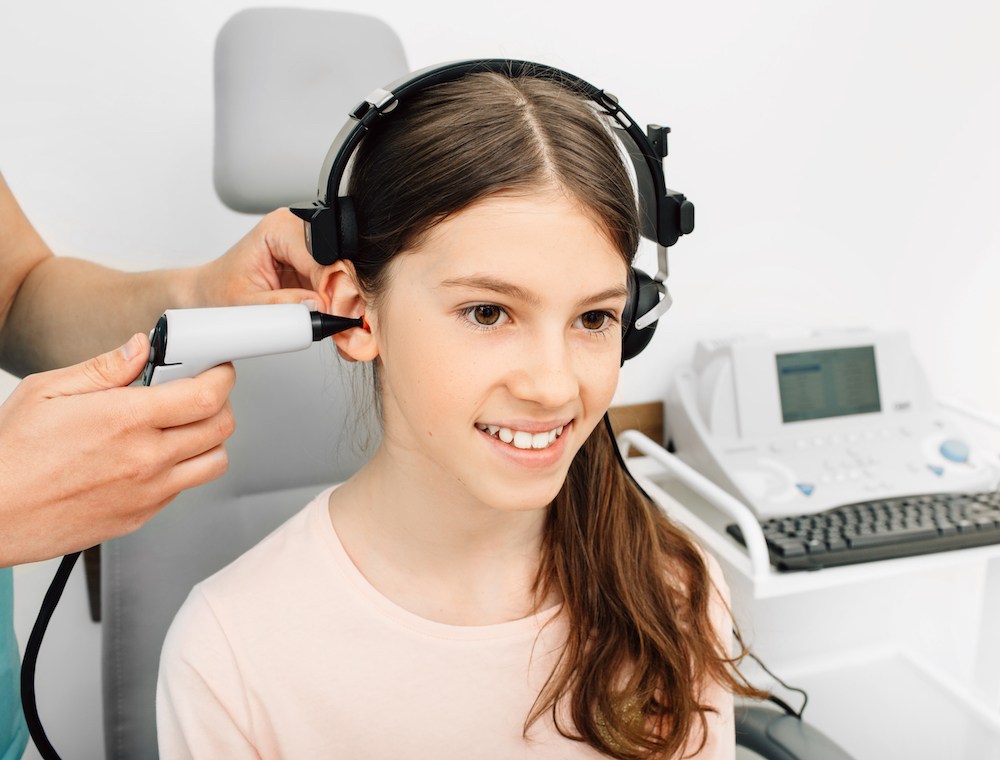
A hearing screening is typically a calm, structured appointment that focuses on getting a clear picture of how you’re hearing in different situations. It usually begins with a brief conversation about your health history and any changes you may have noticed in your hearing or communication.

From there, you’re guided through a series of simple listening tasks, often using headphones in a quiet room, where you respond to tones at different pitches and volumes. In some cases, speech may also be included to see how well you understand words at a comfortable listening level.

During the screening, you don’t need to prepare in any special way, and the process is generally quiet and routine in nature. You may notice that some sounds are very soft or that you’re asked to respond more than once as the levels change.

Afterward, the results are reviewed and explained in terms that relate to your day-to-day experiences, like conversations in different environments or clarity in group settings.

Who Benefits Most from Scheduling Mid-Year Screenings

Mid-year hearing screenings can be helpful at different stages of adulthood, depending on how your hearing fits into your life. Younger adults may benefit if they’re frequently in noisy environments or starting to notice occasional difficulty following conversations in certain settings.

In middle age, when hearing changes can begin to develop more gradually, a mid-year check can help provide context for these changes that might otherwise be overlooked or attributed to background noise or distraction. For older adults, it can serve as a way to get a more current view of hearing between routine annual visits, especially when communication is a big part of interactions.

Simple Habits to Keep Your Hearing Healthy Between Screenings

You can support your hearing health every day with a few simple habits. Wear ear protection in loud places, turn down the volume on headphones and take breaks from noisy environments when possible. Clean your ears gently and avoid using cotton swabs.

These small choices help protect your hearing between screenings and keep you ready for your next checkup.

Supporting Your Hearing Health All Year

Hearing often changes in ways that are easy to overlook at first, and it’s not unusual for us to adapt without realizing how much effort we’re putting into listening. The time those changes feel more noticeable, they’ve usually been part of our routine for longer than expected.

Taking a closer look in the middle of the year gives us a chance to step back and understand how things are shifting while there’s still a full picture of how your hearing is working in real life.

If you’re noticing differences or simply want a more current understanding of where things stand, we can help you sort through that in a way that feels practical and clear. Anderson Audiology in Virginia is available at Blacksburg: (540) 527-7528, Dublin: (540) 527-7526, Galax: (276) 601-8999 or Wytheville: (276) 533-1708 if you’d like to schedule a time to check in or ask questions about your hearing.