Protecting Your Hearing at Fireworks Shows and Outdoor Events
Every September downtown Bristol fills with music for the Rhythm and Roots

By: admin | February 20, 2026
Turning 40 tends to shift how you think about your health. You start noticing things you used to take for granted, paying more attention to preventative health screenings and actually following through on doctor recommendations you might have ignored in your 30s.
But while you’re busy getting your annual physical and keeping up with dental appointments, hearing usually doesn’t even enter the conversation unless you’re already having obvious trouble.
The reality is that age-related hearing changes can start in your 40s, and they almost always begin so subtly that you adapt without realizing it. By the time you think “I should probably get my hearing checked,” you’ve likely been working around the problem for a while.
Regular hearing tests after 40 aren’t about looking for trouble. They’re about having accurate information so small changes don’t sneak up on you and turn into bigger communication problems down the road.
When you don’t hear as well as you used to, it affects more than just whether you catch every word someone says. It impacts how you perform at work, how comfortable you feel in social settings and how connected you feel to your family.
Getting your hearing tested regularly gives you a baseline to work from and helps you stay ahead of changes that could quietly start limiting how you live your life if left unaddressed.
Hearing loss often develops gradually, and the earliest changes can be subtle. You might not notice them at first, but small differences in how you hear can affect daily life. Identifying these early signals can help you understand when your hearing may be changing.
Some common signs to watch for include:
As we get older, our bodies go through many changes, and hearing is no exception. Hearing often declines gradually, making it easy to miss the early signs. Sounds that once seemed clear may start to fade or blend together, and background noise can become more difficult to separate from conversation.
These changes happen slowly and can affect daily life without being obvious at first.
Hearing plays a key role in how we communicate and stay aware of our surroundings. Changes in hearing can make conversations more challenging, limit participation in social activities and affect how alert we are in everyday situations.
Keeping track of these changes is an important part of maintaining engagement, safety and connection as we grow older.
Hearing naturally changes as we age, often in ways that are gradual and easy to overlook. The tiny hair cells in the inner ear that help transmit sound to the brain can become less sensitive. This can make certain frequencies, particularly higher-pitched sounds, harder to detect.
Conversations in busy or noisy environments may start to feel more challenging because distinguishing speech from background sounds takes more effort.
The nerves and pathways that carry sound signals to the brain also experience changes with age. Even when the ears themselves are healthy, the brain may process sound differently, which can affect clarity and understanding.
These changes are usually slow and can go unnoticed at first, but over time they can make everyday listening more mentally demanding.
Aging-related hearing shifts can also influence how we interact with others. Sounds that were once familiar may seem less distinct, making it harder to follow group discussions or hear subtle cues in conversation.
Hearing loss can be influenced by genetics, and certain changes in hearing may run in families. Some people inherit conditions that make them more likely to experience hearing loss earlier in life, while others may be predisposed to gradual hearing changes as they age.
Genetic factors can affect the structure of the inner ear, the sensitivity of hair cells or how the auditory nerves carry sound to the brain.
Family history is an important indicator of potential hearing risks. If close relatives have experienced hearing loss, there is a higher likelihood that similar changes could occur.
Genetic influences can interact with other factors such as age, noise exposure or medical conditions, making it difficult to predict exactly when or how hearing may be affected.
While genetics is only one factor among many, it offers important context for why hearing health can vary between individuals.
Hearing health can be affected by the habits and choices people make throughout their lives. Exposure to loud environments, like concerts, power tools or traffic noise, can place stress on the inner ear and may contribute to hearing changes.
Even seemingly routine behaviors, like listening to music or media at high volumes, can affect how the auditory system functions.
Lifestyle factors beyond noise exposure also play a role. Medical conditions, certain medications and general health habits can influence how well the ears and auditory nerves work.
Habits that impact circulation, blood pressure or overall wellness can indirectly affect the delicate structures responsible for hearing. The effect of these choices can impact how hearing changes and how noticeable those changes become in daily life.
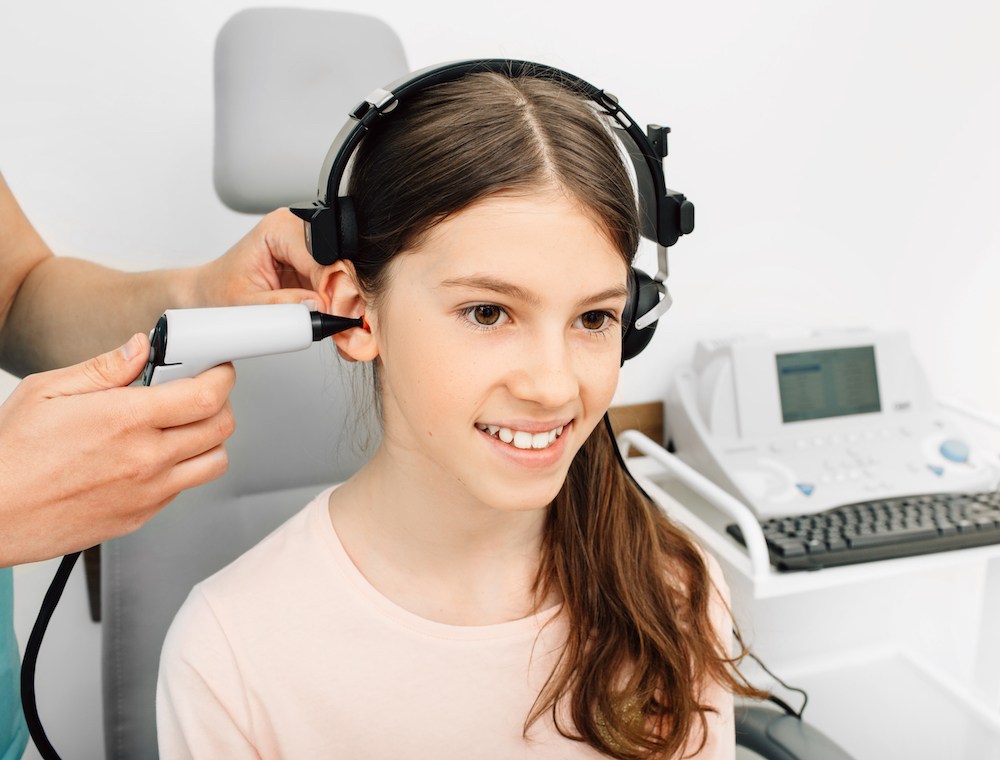
A standard hearing appointment typically begins with gathering information about your hearing history and overall health.
The audiologist will ask questions about any changes you have noticed, like difficulty following conversations, ringing in your ears or trouble hearing in certain environments. Discussing these symptoms helps the specialist understand your experiences and identify patterns that could indicate hearing changes.
Next, the specialist will perform a physical examination of your ears. This usually involves looking inside the ear canal and checking the eardrum for any visible concerns. The examination can reveal issues like earwax buildup, signs of irritation or other conditions that may affect how well sound travels to the inner ear.
This preliminary step provides important context before any formal hearing tests are conducted and ensures the professional has a complete understanding of your hearing health.
Hearing tests are an essential part of evaluating your hearing health. They provide detailed information about how well you can hear different sounds and help identify any changes or challenges in your hearing.
During a hearing test, a specialist may assess several aspects of your hearing, including:
After your hearing test, the professional will review the results with you in detail. They will explain what the data shows about your hearing ability and whether any changes have occurred. If hearing loss is detected, they will discuss the type and degree of the loss and what it means for your day-to-day listening.
Understanding your results helps you see how your hearing may affect conversations, work and other activities.
If hearing loss is present, the audiologist may recommend hearing aids or other supportive options to help improve communication. They will go over how different devices work and what might suit your specific hearing needs. If no hearing loss is found, they will explain what your results mean and provide guidance on when to schedule your next hearing check.
In either case, discussing the results gives you a clear understanding of your current hearing health. It allows you to make informed decisions about any next steps and provides context for how your hearing may change in the future.
If your hearing test shows that hearing aids could benefit you, the audiologist will guide you through the next steps. The first part of this process involves selecting a device that matches your specific hearing needs, lifestyle and preferences.
There are different styles and levels of technology, and the specialist will explain how each option works and what you can expect from daily use.
Once a device is chosen, the audiologist will take measurements and impressions of your ears if needed. These help ensure the hearing aids fit comfortably and function properly.
Your hearing professional will also explain how to insert, remove and care for the devices, and what to expect as you start wearing them.
After your hearing aids are fitted, the adjustment period begins. This is a time for you to get used to the new sounds and for the audiologist to fine-tune the settings so your hearing aids provide the best possible clarity.
Follow-up appointments are scheduled to make adjustments and ensure you are comfortable using the devices. This process helps you get the most benefit from your hearing aids and supports better communication in daily life.
Hearing naturally changes as we get older, and small shifts can happen without you noticing. Even subtle changes can affect how easily you follow conversations, participate at work or enjoy time with family.
Having a clear understanding of your hearing helps you recognize these shifts early and know where you stand.
If it has been a while since your last hearing test or you are noticing changes, our team can help. Contact Anderson Audiology in Virginia at Blacksburg: (540) 527-7528, Dublin: (540) 527-7526, Galax: (276) 601-8999 or Wytheville: (276) 533-1708 to schedule an appointment.
We can review your hearing and provide guidance so you understand any changes and how they may affect your daily life.
Tags: how-to guides, speech tests, tympanometry

Every September downtown Bristol fills with music for the Rhythm and Roots
By: admin | September 21, 2026
Hearing loss often develops gradually, showing up in small, easy-to-miss
By: admin | April 22, 2026
Turning 40 tends to shift how you think about your health. You start
By: admin | February 20, 2026
Contact Us
Contact us to schedule a comprehensive hearing evaluation and experience the difference compassionate, professional care can make.
Dr. Tina Profitt is trustworthy & smart. She listens & executes her duties & keeps me & my parent hearing as well as possible. Dr. Profitt does not push for “newer” hearing aids. We are very pleased with the Andersons Audiology in Galax, VA.
— Susan C.
I had a very good appointment. Tina is a true professional and takes her time with me in working on my hearing aids. Thank you. Jim
— James P.
Top notch service! Very patient with my almost 90 years old father. Always prompt to any services requested and able to make many repairs in house. Thank You…
— Phillip V.
This is the most kind, professional and and educational hearing specialist I’ve ever been privileged to work with. Dr. Tina Proffitt is the best.
— Jane D.
Great experience very helpful and knowledgeable. These have to be nicest people I’ve met. Definitely can’t ask for better care.
— Lisa L.
Kecia has been my faithful go-to for adjustments and concerns. I have a great pair of hearing aids. I am looking forward to seeing what awaits in hearing aid technology and how she can help me.
— Sam S.
Great audiology. Most attentive with frequent checks on how my hearing aids work for me. I really love my Widex Moment hearing aids that I have hade for 2 1/2 years. Hearing with them is seamless & they are holding up well.
— Roxane B.